SmartMove Lab, University of the Aegean
Projects | | Links: smartmove.aegean.gr
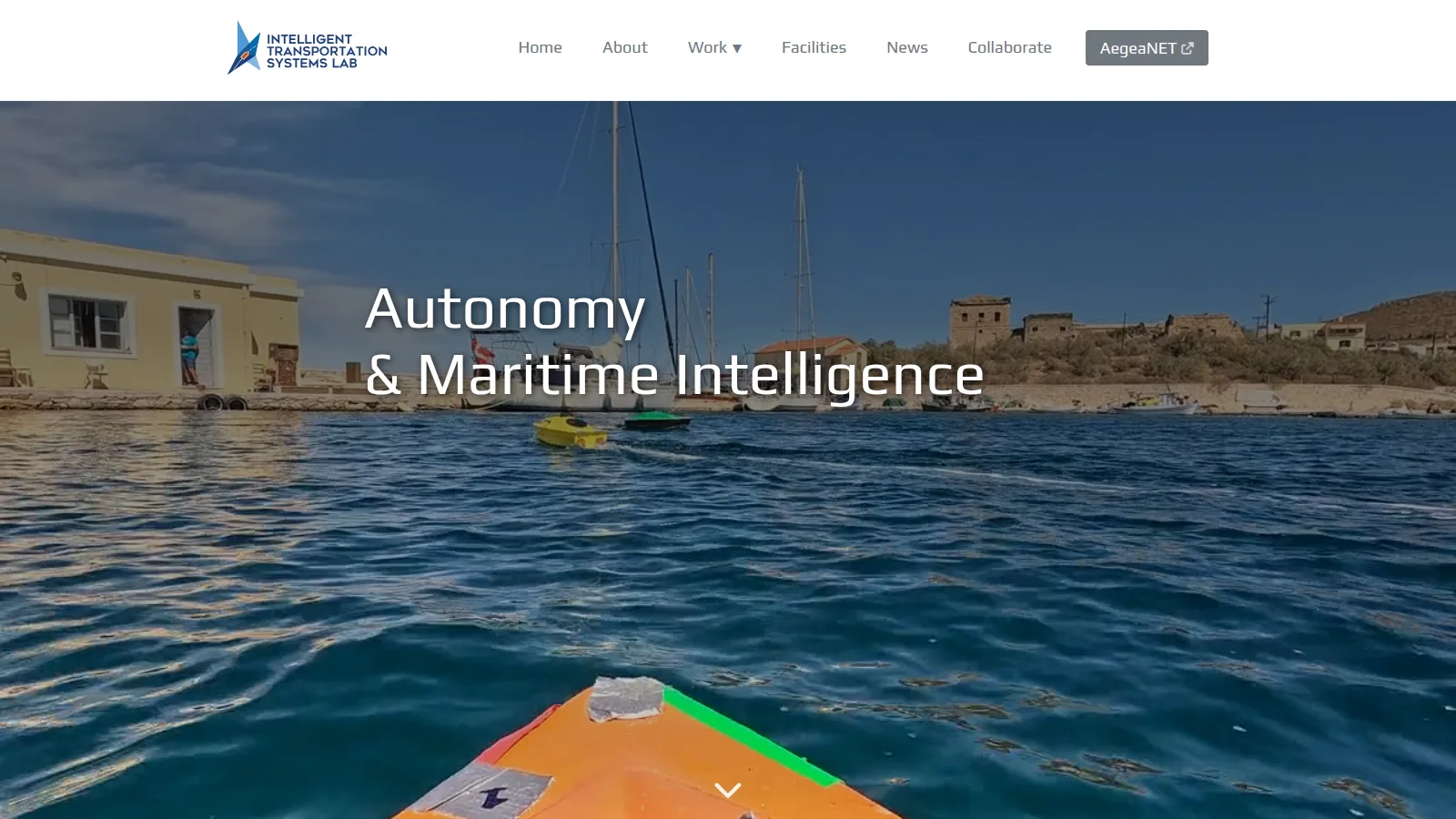
Website of the SmartMove lab (Intelligent Transportation Systems, University of the Aegean): a Jekyll static site with a publications archive of 200+ papers refreshed weekly from the OpenAlex API, and push-to-live deployment onto university hosting via GitHub Actions.
Status: in production. The lab’s official site since November 2025.
At a glance
| For | Intelligent Transportation Systems Lab (SmartMove), University of the Aegean |
| Stack | Jekyll static site, Python data pipeline, GitHub Actions deployment |
| Publications | 200+ papers, refreshed weekly from the OpenAlex API with no manual upkeep |
| History | Successor to the WordPress site I co-built in 2022 and ran for three years |
| Role | Solo rebuild; I am a founding member of the lab |
The problem
SmartMove is a maritime robotics and intelligent transportation systems research lab, established in 2022 within the Department of Product and Systems Design Engineering, whose website I have run since 2018. I co-built the lab’s first site on WordPress and ran it from the start. Three years in, the CMS had become overhead: constant core and plugin updates for a site whose content is mostly static pages, and a lab that had outgrown it, with EU-funded projects, growing equipment, and a publication record the site did not do justice to. In late 2025 I rebuilt it from scratch.
The rebuild
The new site is fully static: Jekyll, a very popular open-source theme heavily customized, and no server-side code at all. Deployment is push-to-live: GitHub Actions builds the site on every change and publishes the result to a branch that the university’s web server pulls automatically (a cron job picks up the changes within minutes), so nothing on the hosting side ever needs touching by hand.
The site covers the lab’s full activity:
- Research: three research areas (autonomous and cooperative systems; maritime informatics and digital twins; multimodal data fusion and AI), backed by the publications archive below.
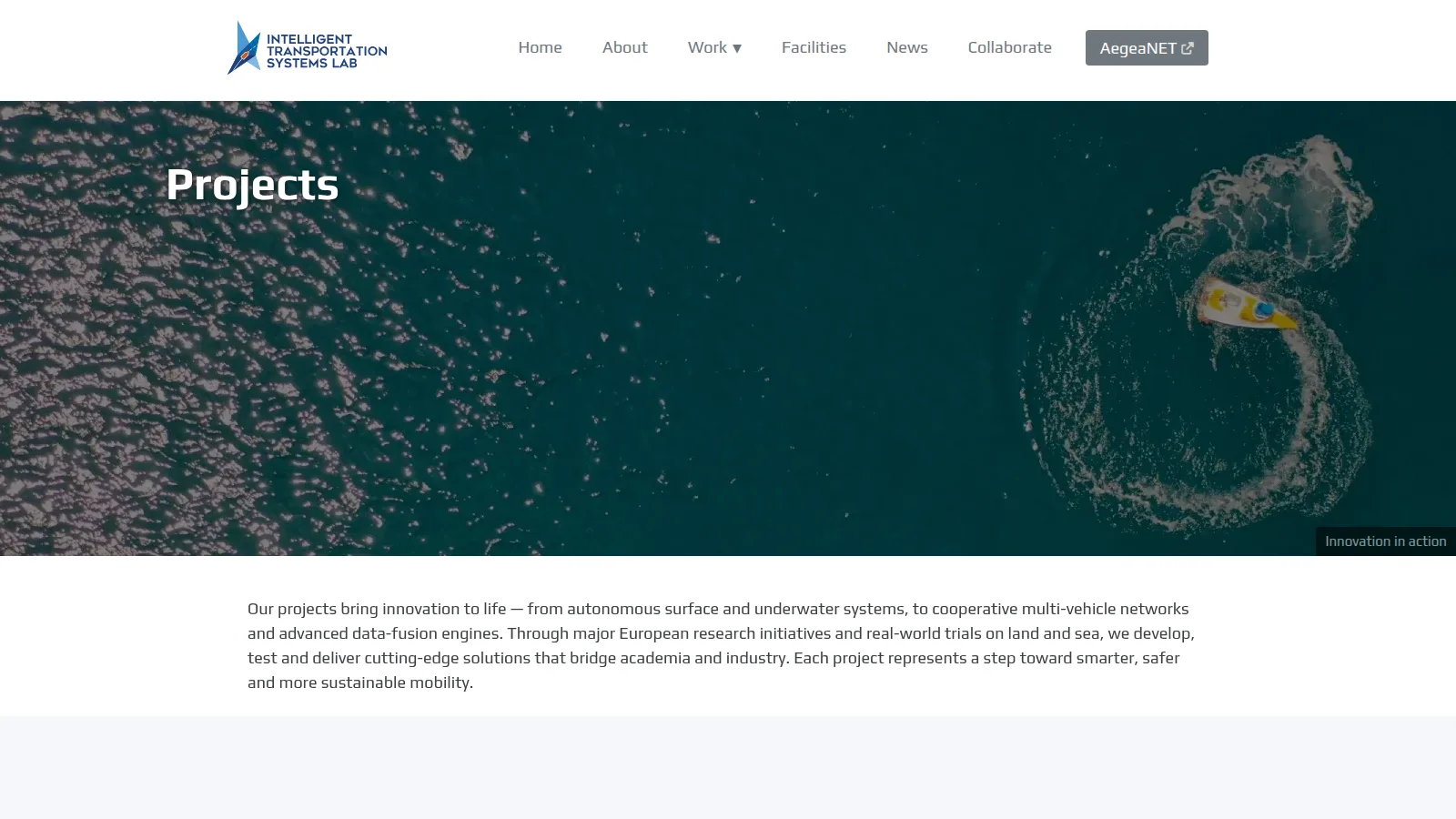
- EU-funded projects: dedicated presentations for the lab’s research projects, funded under programmes from Horizon Europe to Digital Europe.
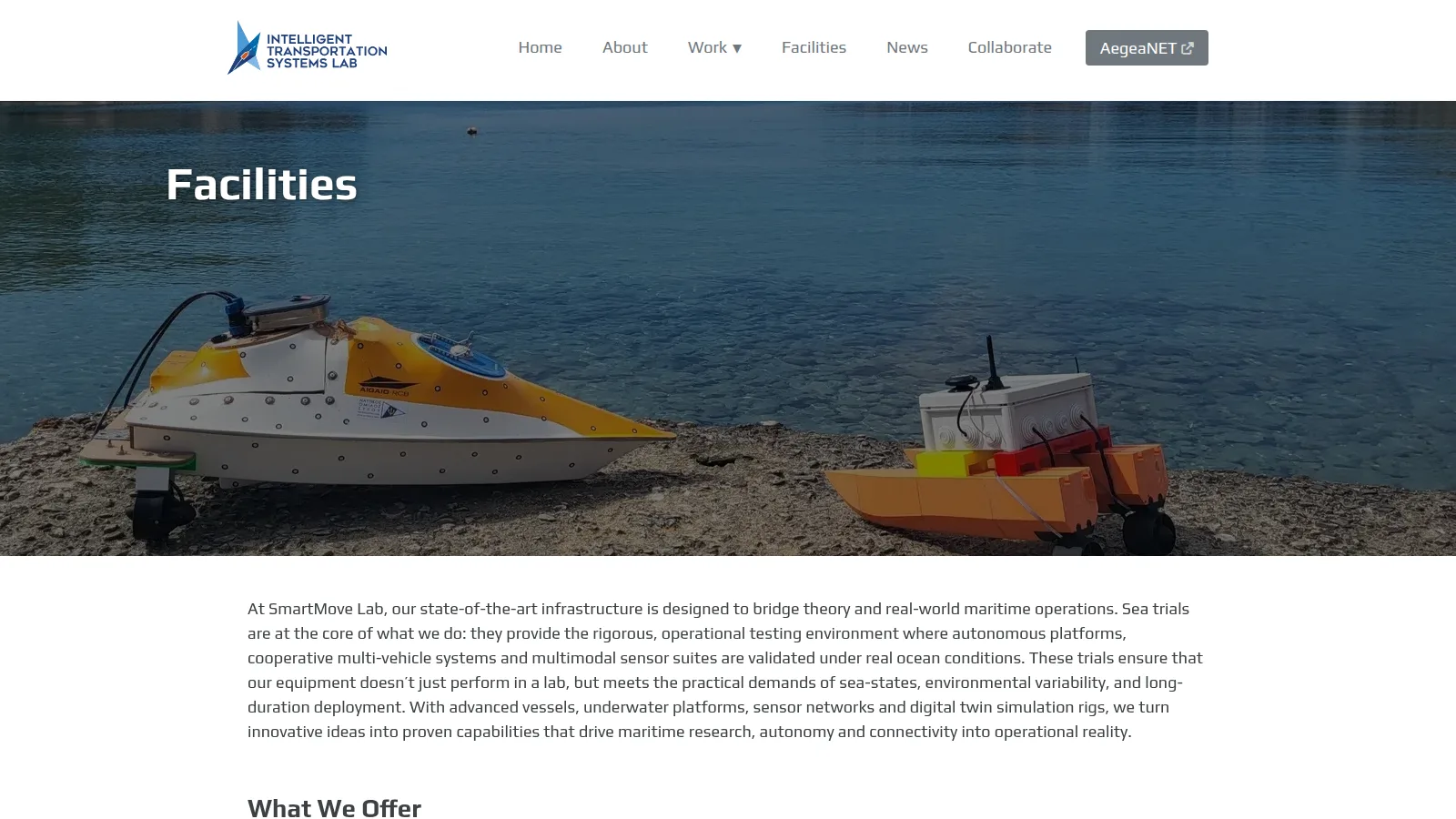
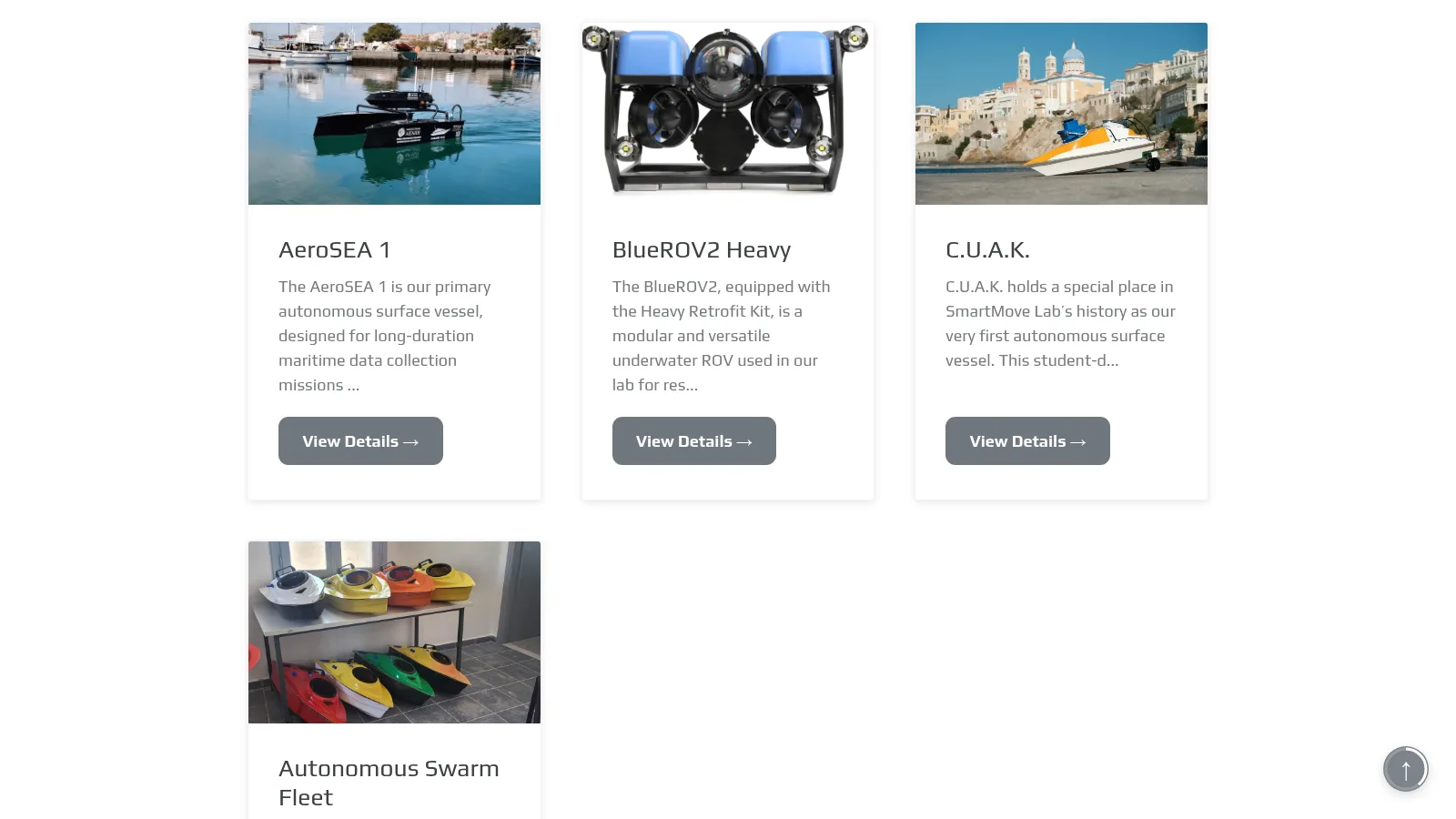
- Equipment and facilities: a showcase of the lab’s hardware, from an underwater ROV and an autonomous swarm fleet to marine radar, LiDAR, and sonar.
- News and events, with a featured-updates carousel on a video-hero home page.
The publications system
A research lab’s publications page is usually maintained by hand, which means it is usually out of date. This one maintains itself, through a custom solution that is not much to look at but is the most interesting piece of the build.
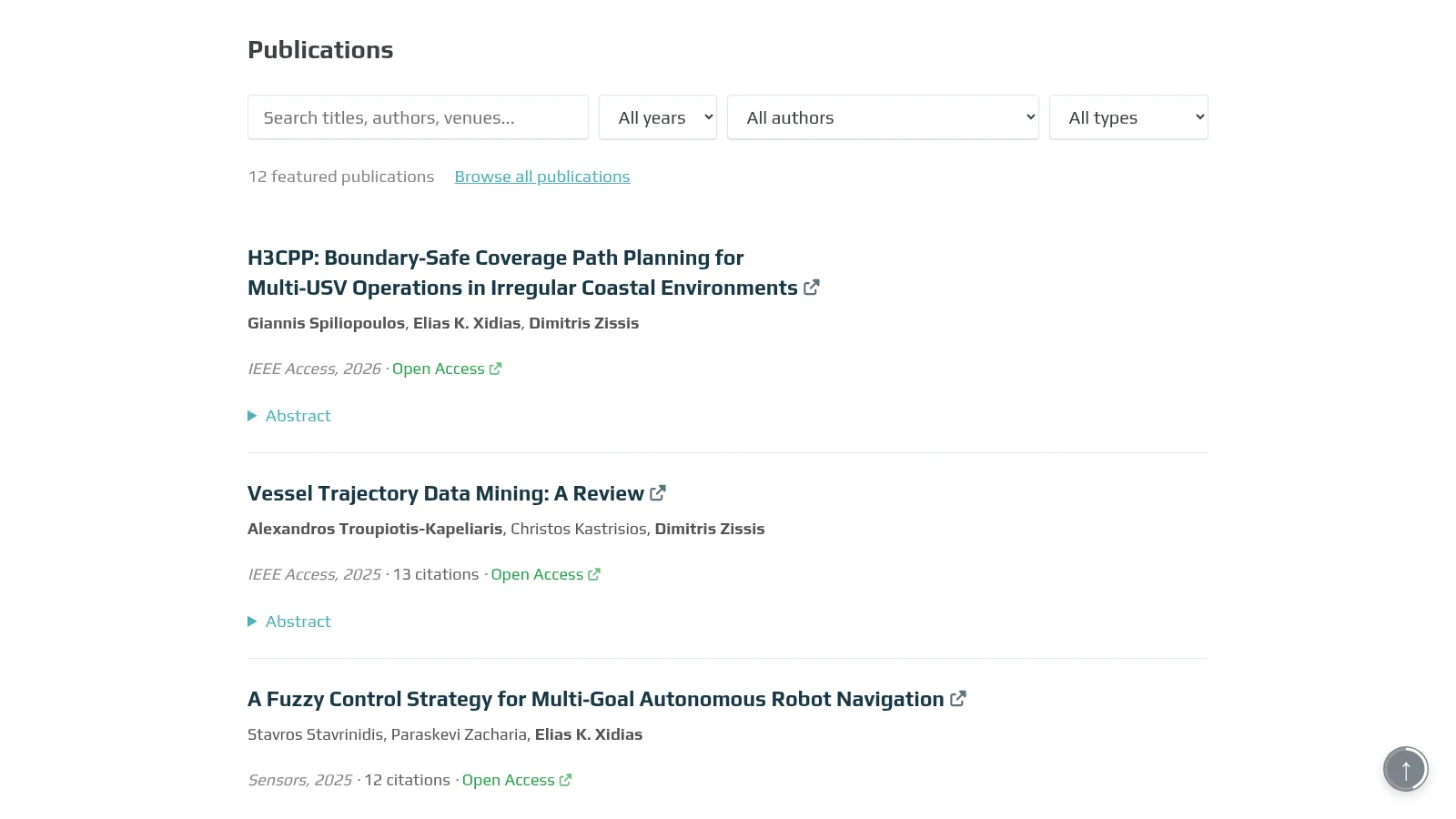
A Python pipeline queries the OpenAlex scholarly index for each lab member’s author profile, deduplicates the results by DOI, merges the few entries OpenAlex misses, and applies per-publication corrections where the source metadata is wrong. The output is an archive of more than 200 publications spanning two decades, filterable by year, author, and type, with full-text search and a curated set of twelve featured papers shown by default.
Every Monday morning, a scheduled GitHub Actions workflow reruns the whole pipeline: it pulls whatever is new on OpenAlex, rebuilds the site, and publishes the result. A new paper indexed by OpenAlex appears on the site within days, with nobody touching anything.
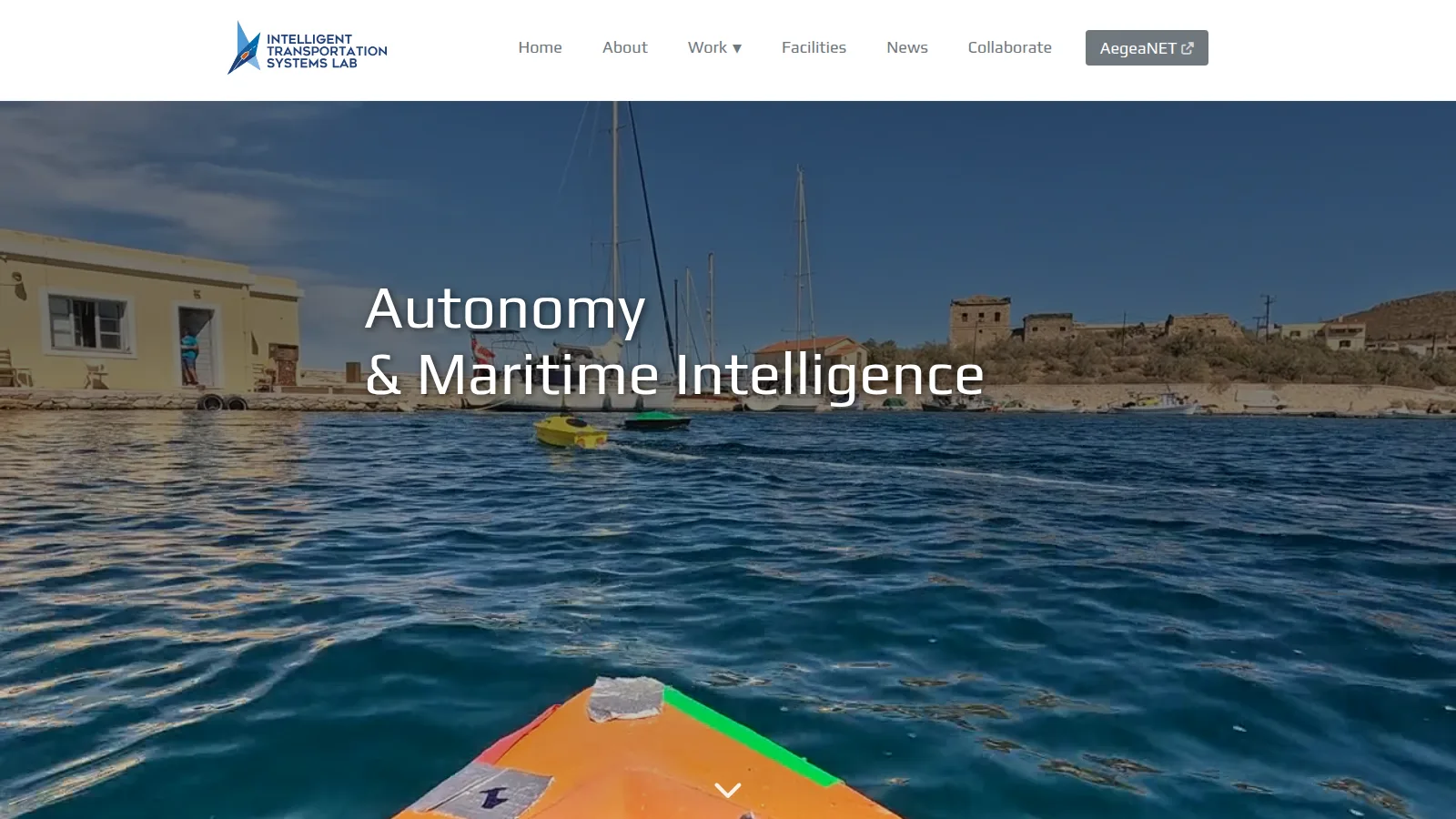
Screenshots
Outcome
The lab runs on the new site: faster, current, and with nothing left to patch. The static architecture removed the update treadmill that defined the WordPress years, and the publications archive keeps itself current where hand-maintained lists quietly rot.
I am a founding member of the lab and active in its research projects; the website is one of the ways I contribute. Content updates are ordinary text edits under version control, and the parts that used to need manual upkeep now run on their own. The static architecture also brings its inherent, if unglamorous, benefits: security (no CMS or database to compromise), speed, and built-in backups, since the whole site lives in git with full history.